

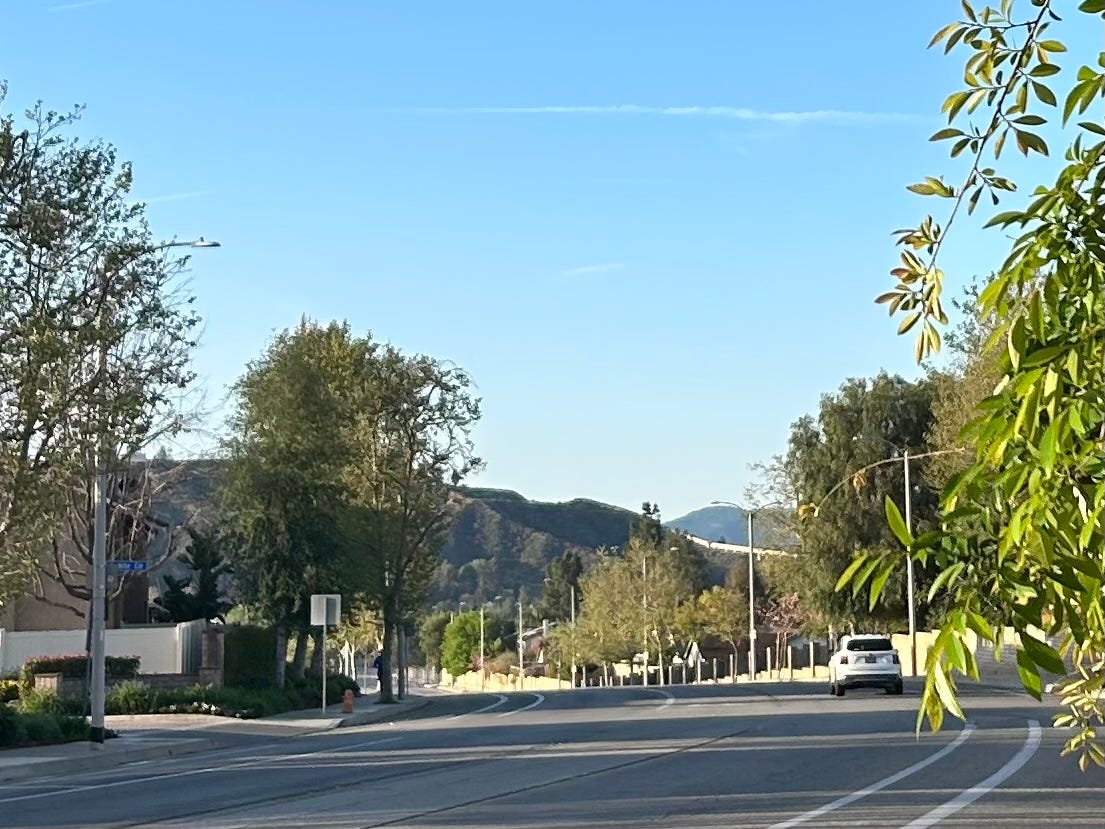
Near April’s end my experience of living on the outskirts of Los Angeles becomes a wrap. Unexpectedly enlightening in so many ways, this period will live in my consciousness for my mind’s eternity. Or until the Alzheimer’s kicks in.
My valley’s spectacular landscapes get credit for that.
I think it’s been on WCS that where I’ve been since last summer’s Echo Park weed eviction looks precisely like classic American western films, because where I’ve been living is the location of that indelible cinematic propaganda. To be a pedestrian in this neck of the West Coast neighborhood is to walk amid open possibility, the physical embodiment of a classic American ideal. Canyons to the east and to the west, a traveler cannot help but envision a way forward.
Manifest Destiny had to be a helluva drug for those wypipo, it occurred to me en route to the local Groce Out.
This feeling is practically the opposite of a vibe I experienced 25 years ago, walking to compose memoirist sentences in a Bluefield, West Virginia K-Mart cafe. Ironic detachment had been little match for the fatalism imposed upon me by the Appalachian mountains. Lots about my family was explained by that winter landscape.
On walk to the grocery store that in a place like Fresno would have been plainly routine, the hills and sun lifted my thoughts to a novel possibility: That life’s general point might be to collect vivid recollections of the places you’ve touched down on and the things you’ve done in them.
With that, images came out of storage for me, accompanied by stories that dwell inside of larger stories I’ve told.
Glimpses of revolution outside of Burns, Oregon
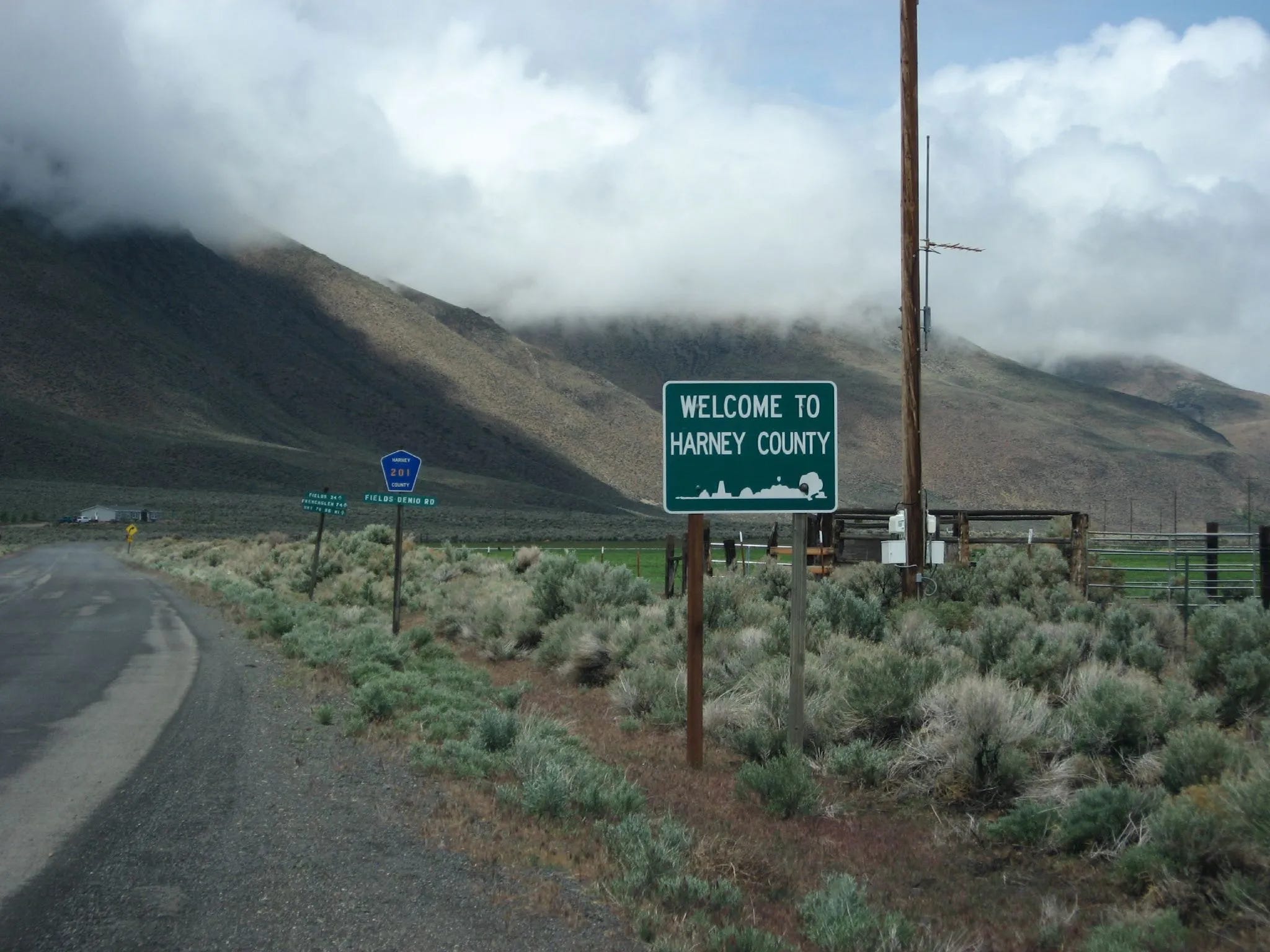
Photo by Ken Lund
A lot of you have heard me share this before, but in 2016 the journalism immortal Barbara Ehrenreich asked me to bomb out to Burns, Oregon and cover the proto-MAGA takeover of federal preserve. A friend would eventally tell me that he asked himself while reading that joint, “Is this the one where Donnell dies at the end?”
Never stops being funny.
We were somewhere around Barstow on the edge of the desert when the drugs began to take hold
While being in Burns was indeed extremely stressful, this morning I find my thoughts center on the ride out from PDX. Entering Harney County and closing in on Burns, I was struck by how poor the White communities were. The images carried me back to my Chico News & Review reporting on efforts to save the spotted owl through strict forest-cutting regulations, back in the early 1990s.
I was an unquestioningly earnest environmentalist at the local alternative paper. Outside Burns I realized that my spotted-owl reporting failed to take into account what choosing forest preservation over the needs of rural communities would mean. But being in Harney County when it had gone from of Oregon’s richest to its poorest truly smacked some sense into me.
And my reporting reflects the revelation.
Finding Dock Ellis in Apple Valley
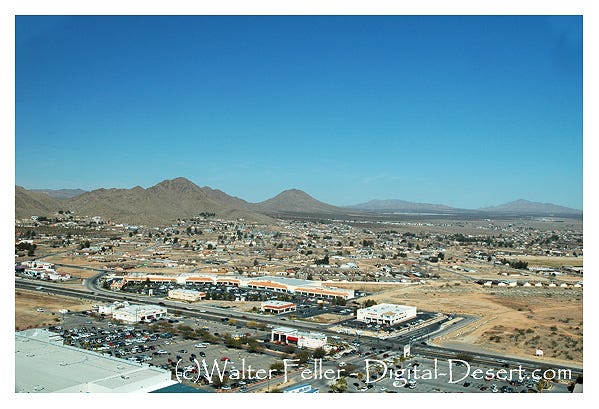
San Bernardino County’s Apple Valley was the location for the interview that got developed into a classic public radio drive-way moment and then a film festival shorts hit. The question-and-answer session also became inspiration for the entertaining 2014 film No-No: A Dockumentary.
Getting to he part where I lit out for Apple Valley was the actual challenge.
By email and cell phone, I had been chasing Dock down to comment in a Vibe magazine piece on drugs in baseball, with no luck. A little after that magazine article was published, the Pittsburgh pitching legend called me while I was drafting my older son’s South Pasadena Little League team. He invited me out to talk, so I pursued the weird underground story about the hurler and El Cidney as a stand-alone bit.
My ex had a public radio gig. She brought her sound equipment along to the Apple Valley living room of a ballplayer who had been a part of my Ohio childhood consciousness. I knew Dock Ellis’ stats from his 1976 comeback season with the Yankees since I was 11 years old.
San Bernardino County is Southern California’s the least glamourous locale. Unless I’m heading out to do Joshua Tree things, it’s not my general business to be out there. Riding out contained nothing revelatory. Radio was still new to me, so interview preparation occupied my mind.
On the way back to LA’s Westside though? The freeway-guided view was glorious. On that evening, the Far Eastside LA landscape was elevating, each tangle of freeway interchange as invigorating as any earthy clump of redwood trees. It’s a transformative difference; the deliciousness of knowing you’ve got a keeper interview is exponentially more potent when radio is the medium.
When you gift a West Coast Sojourn subscription, you share a pleaser present.
The way back owned the memory.
There had been a sign outside of Barstow, about 40 minutes before we hit Dock’s doorstep. On the way back, a view from my window freeway window let me call up Hunter S. Thompson’s psychedelic classic Fear & Loathing in Las Vegas’ opening sentence:
We were somewhere around Barstow on the edge of the desert when the drugs began to take hold.
We were somewhere around the Arcadia IKEA when I decided the opening line of the greatest psychedelic narrative ever to air on PNR stations would begin, “We flew into San Diego and I asked the manager could I go home.”
Only a small percentage of clued-in people would make the connection. To my detriment, that reaction remains my absolute favorite professional jam.
Someday a therapist will take care of that.
My last Ivy League appearance
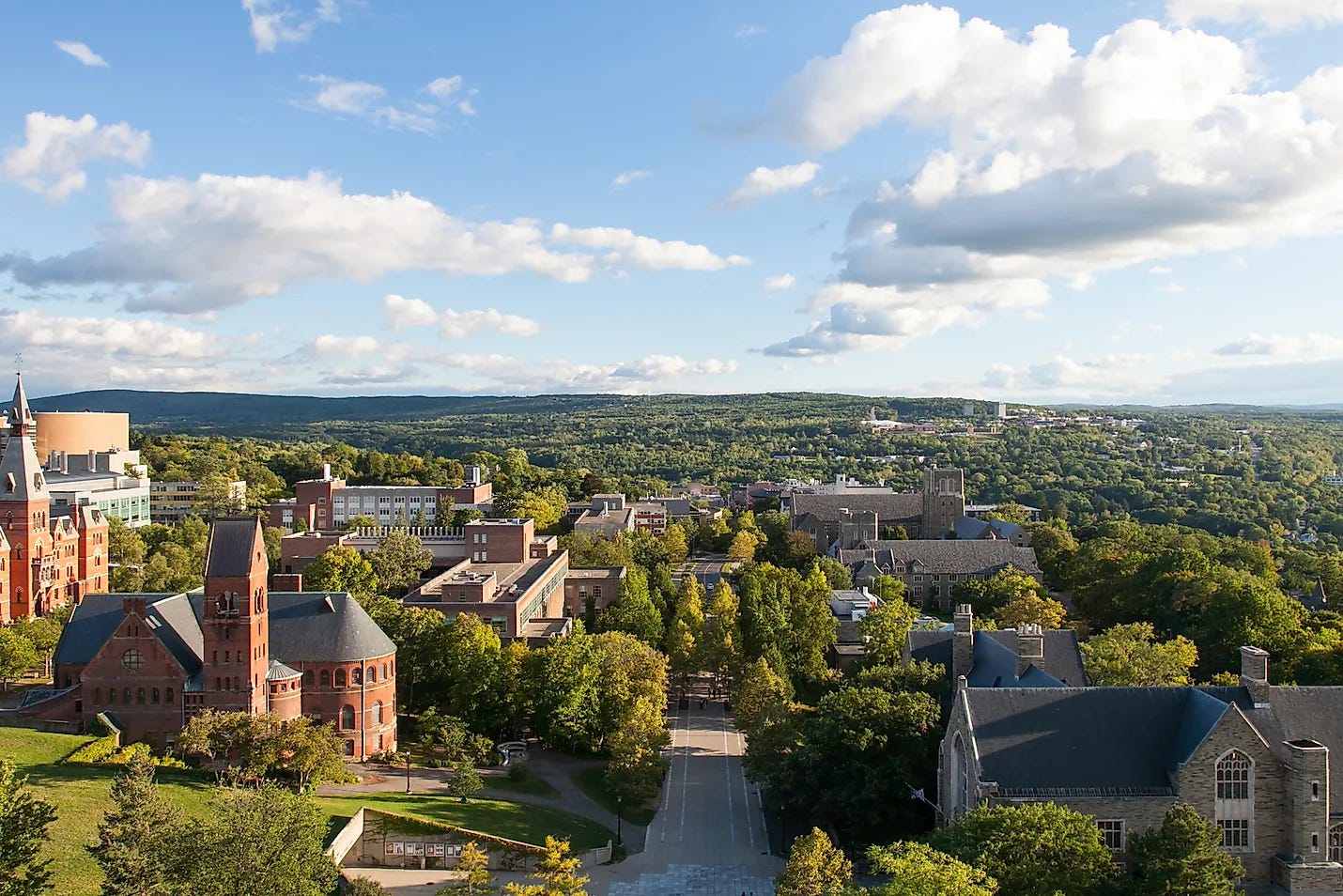
My presentation at Cornell’s 2014 “Histories of American Capitalism” conference comes to mind because the university’s funding was targeted on Tuesday by the Whites House. Although my work on hip-hop mixtapes doesn’t overtly mention diversity remedies, the presentation does recognize underlying social inequality as a causing rap to erupt. Which is of course disqualifying for American racists.
A different ex and I took an off-brand bus line to get there from The Bronx. We got stranded financially, and my good friend John McCrea helped bail us out. (I have been dead broke in more crucial spaces than anyone I know, he said, bragging humbly.) Nipsey Hussle tried to call in for the Ithaca presentation, but we couldn’t make the tech happen.
No matter, I’m pretty sure that no one in the room knew who the rapper was in 2014 .
Look up. The essence of one’s best times can be but a moment away. It lives on new horizons, not your fucking phone.
Bonus support of this work is enormously appreciated. Buy Me a Coffee or whatever. (Whatever is mad superior.)


